

How to Plan a Brand Film Without Losing Authenticity
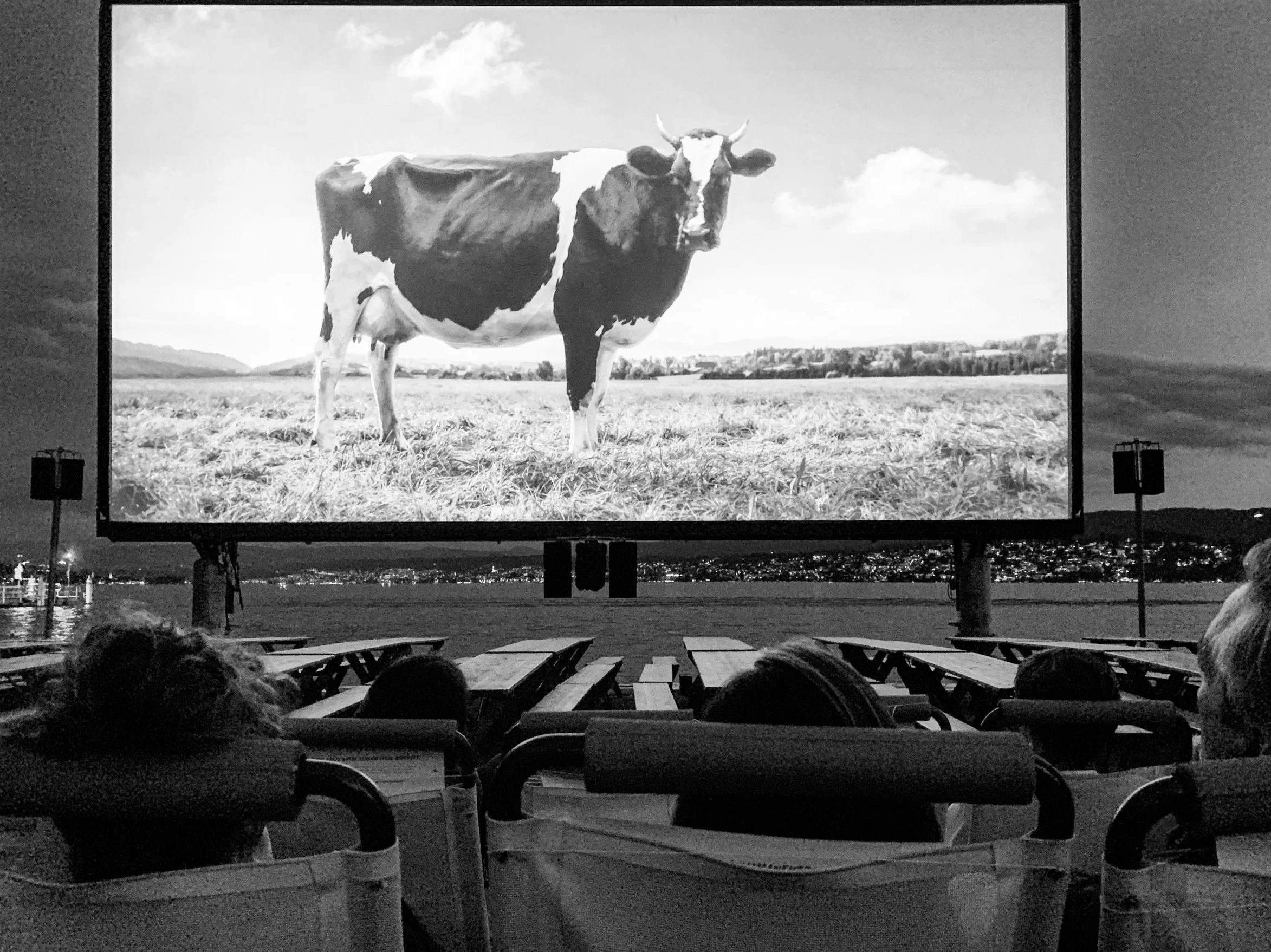
A brand film should tell people something meaningful about an organisation.
It shouldn't simply make a company look polished.
For businesses, tourism organisations, environmental groups, sports teams, outdoor brands and other organisations, the challenge is finding the balance between professional production and genuine human storytelling.
Start with the truth
Before developing a creative concept, identify what is genuinely interesting about the organisation.
What problem does it solve?
Why does it exist?
Who are the people behind it?
What makes the experience different?
What does the organisation care about?
The answers provide the foundations for a brand film.
Don't manufacture a story that isn't there
Authenticity becomes difficult when every scene is overly staged.
If the real story takes place on a farm, film there.
If the organisation works outdoors, use the landscape.
If the people are central to the business, let them speak.
If the product involves physical performance, show the effort as well as the polished result.
The production should reveal the brand rather than disguise it.
Build a visual language
A brand film still needs a strong visual concept.
Think about locations, movement, composition, lighting, colour, camera perspective and pacing.
For an outdoor adventure business, that might mean combining expansive landscapes with intimate details.
For a premium hospitality brand, it could mean focusing on architecture, materials, service and atmosphere.
For an environmental organisation, the landscape and people affected by the issue may become central characters.
Use interviews carefully
Interviews can provide structure and information, but they don't necessarily need to dominate the film.
A strong approach can combine interview material with observational footage, environmental sound, action and carefully chosen details.
This allows the audience to experience the organisation rather than simply being told about it.
Let the production breathe
Not every moment needs music.
Not every shot needs rapid editing.
A pause, natural sound or extended shot can sometimes communicate more effectively than another sequence of fast cuts.
Pacing should reflect the character of the brand and the emotion you want the audience to experience.
Plan for multiple platforms
A modern brand film rarely lives in only one place.
Before filming, consider where the finished content will be used.
The main film might live on a website or presentation, while shorter versions can support LinkedIn, Instagram, YouTube, advertising campaigns or other digital channels.
Planning framing and coverage for different formats during production can save considerable time later.
Professional doesn't have to mean artificial
The purpose of professional video production isn't to make reality disappear.
It is to present reality with intention.
Good cinematography, production sound, editing, colour grading and sound design can enhance an authentic story without overwhelming it.
The most effective brand films don't manufacture authenticity. They find the genuine story and give it the production quality it deserves.
Planning a corporate video, documentary or brand film?
Whether you're an environmental organisation, tourism business, fitness or wellness studio, sporting organisation, or another organisation with a story to tell, let's talk about what you're trying to achieve.