

Production Sound vs Sound Design: What's the Difference?
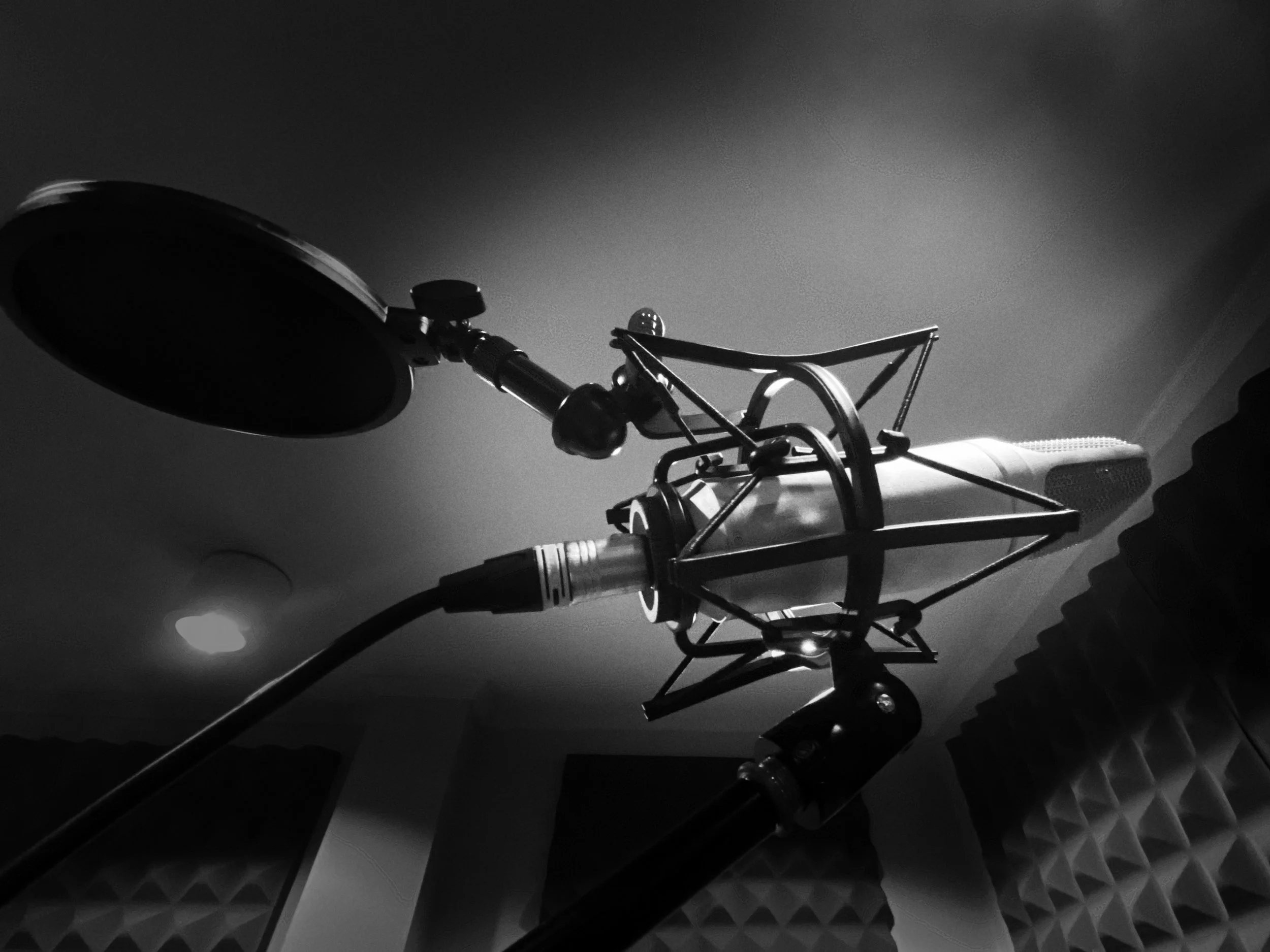
Sound is one of the most important and frequently overlooked parts of professional video production.
A beautifully shot film can immediately lose impact if dialogue is difficult to understand, background noise is distracting or the soundtrack feels disconnected from the images.
Two terms you will often hear in film and video production are production sound and sound design. They are related, but they happen at different stages of the process.
What is production sound?
Production sound is the audio recorded while filming is taking place.
This can include dialogue, interviews, conversations, natural environmental sounds and other sounds captured on location.
For an interview, this might mean recording the speaker using a lavalier microphone and/or boom microphone while also capturing a clean background or room tone.
For a documentary, production sound could include people talking, machinery operating, footsteps, wildlife, water, traffic or the natural atmosphere of a location.
The objective is to capture usable, authentic sound during production.
What is sound design?
Sound design happens primarily during post-production.
It involves shaping the recorded audio and adding carefully selected or created elements to support the story.
Sound design can include:
Dialogue editing
Noise reduction and restoration
Foley
Environmental ambience
Sound effects
Transitions
Narration
Music integration
Creative audio treatments
Mixing and balancing
A filmmaker might record footsteps during production, for example, but additional Foley could later be created or edited to emphasise particular movements.
Similarly, an outdoor film may contain beautiful natural imagery, but carefully layered wind, water, insects, birds and other environmental recordings can create a much more immersive experience.
Why does the distinction matter?
Understanding the difference helps when planning a video project.
A production may have excellent cameras and lighting, but if dialogue isn't captured properly on location, the post-production team has fewer options.
Good sound design cannot always rescue badly recorded dialogue.
Conversely, excellent production recordings provide a strong foundation on which a sound designer or editor can build.
Sound is part of storytelling
Sound isn't simply something added after the pictures.
It can influence pace, emotion, atmosphere and realism.
The sound of machinery can make an industrial film feel tangible. Natural ambience can place an audience inside a landscape. Carefully designed silence can create space around an important statement.
For documentary, environmental, tourism, sports and outdoor productions, authentic location sound can be particularly valuable because it connects the audience to the physical environment.
Think about sound before the shoot
Sound should therefore be considered during pre-production rather than treated as an afterthought.
Location, weather, traffic, machinery, wind, available power, interview environments and the number of people involved can all affect how audio should be recorded.
Professional video production isn't just about what the audience sees.
It is also about what they hear and how those sounds help them experience the story.
Planning a corporate video, documentary or brand film?
If your an organisation with a story to tell, let's talk about what you're trying to achieve.