

What Should You Prepare Before a Corporate Video Shoot?
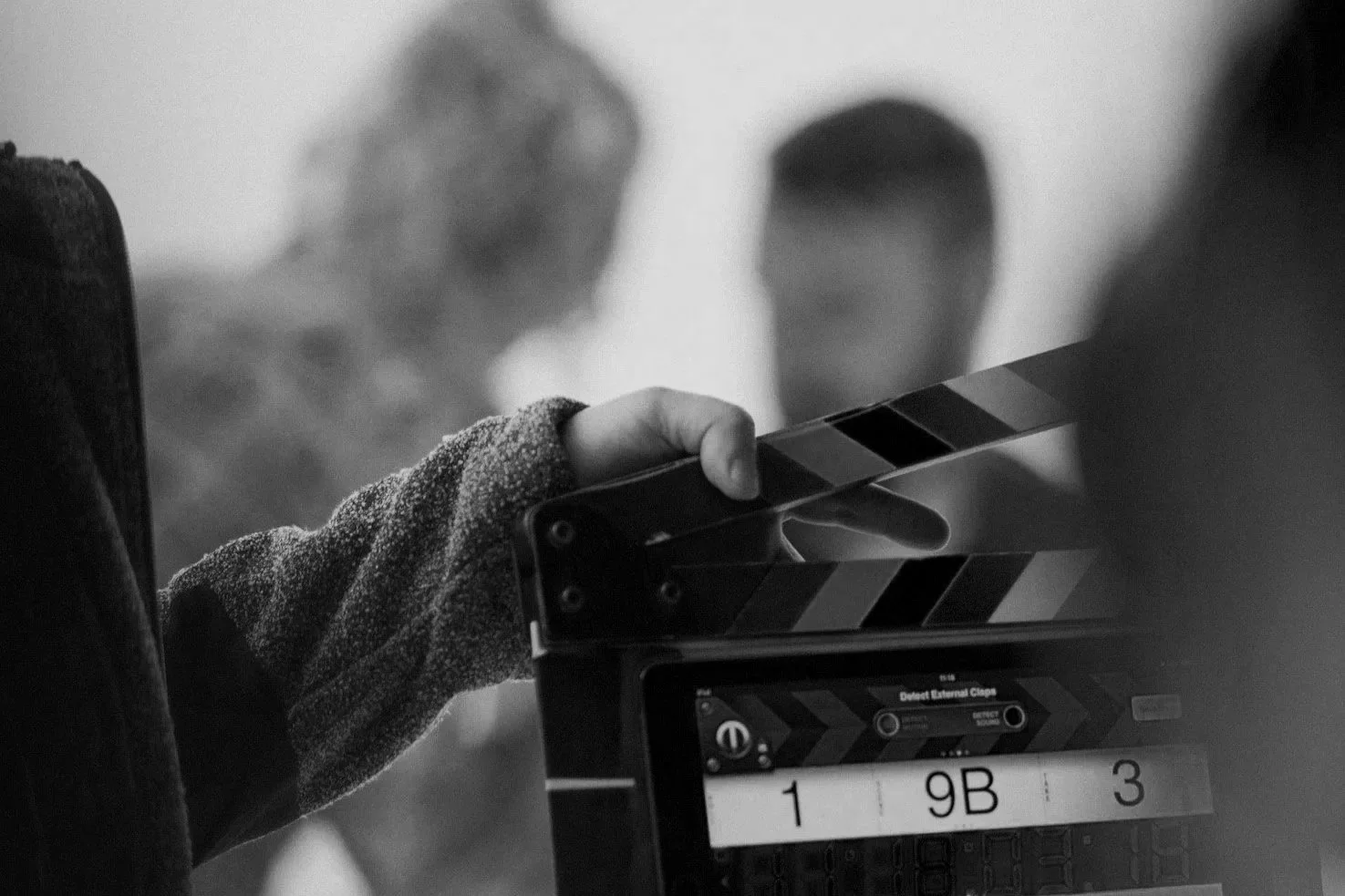
A successful corporate video shoot starts well before the camera arrives.
Good preparation doesn't mean removing spontaneity from the production. It means making sure the creative team has enough information to capture the right people, places and moments when filming begins.
Here are some of the most useful things to prepare before a corporate video shoot.
1. Define the purpose
Start with one simple question:
What should this video achieve?
It might be designed to generate enquiries, explain a service, introduce an organisation, attract visitors, communicate a social or environmental issue, recruit staff or strengthen a brand.
Knowing the purpose helps determine everything from the story structure to the final duration.
2. Identify the audience
A video aimed at customers is different from one aimed at government stakeholders, employees, investors or the general public.
Be specific about who you want to reach and what you want them to understand, remember or do after watching.
3. Identify the key people
Prepare a list of people who need to appear on camera.
For interviews, provide contributors with a general understanding of the subjects being discussed without necessarily giving them a rigid script.
Natural answers often produce more engaging interviews than memorised statements.
4. Prepare locations
Think about where the story actually happens.
The office may be important, but it might not be the most visually interesting location.
A farm, workshop, gym, trail, sporting venue, laboratory, mine site, hotel, coastline or community location may reveal far more about the organisation.
Consider access, noise, weather, lighting, safety, parking and permissions before the shoot.
5. Prepare the environment
Small changes can make a significant difference on camera.
Remove unnecessary clutter, check branding and signage, consider background distractions and identify suitable interview positions.
However, don't make everything look artificially perfect. Authentic working environments can provide valuable visual information.
6. Think about sound
Noise is one of the most common problems encountered during filming.
Air conditioning, traffic, machinery, construction, crowds and wind can all affect interview recordings.
Identify potential noise sources before the shoot and communicate with staff or site managers about anything that could be controlled.
7. Consider additional content
A major opportunity is often missed by organisations that think only about the hero video.
If a camera crew is already on location, consider whether you also need:
Vertical social videos
Short interviews
Behind the scenes footage
Still photographs
Website clips
Recruitment content
Product or service demonstrations
Planning these requirements before filming can make the shoot much more efficient.
8. Allow room for the unexpected
Finally, don't plan every second.
Some of the most valuable documentary style moments cannot be scheduled.
A spontaneous interaction, an unexpected change in weather, a natural reaction or a small detail of everyday work can become one of the strongest moments in the finished film.
Good pre production creates structure. Good filmmaking leaves enough room for reality to happen.
The better prepared the production is, the more freedom there is to concentrate on capturing a genuine story when the cameras start rolling.
Planning a corporate video, documentary or brand film?
If your an organisation with a story to tell, let's talk about what you're trying to achieve.