

Why Good Location Sound Matters in Documentary Film?
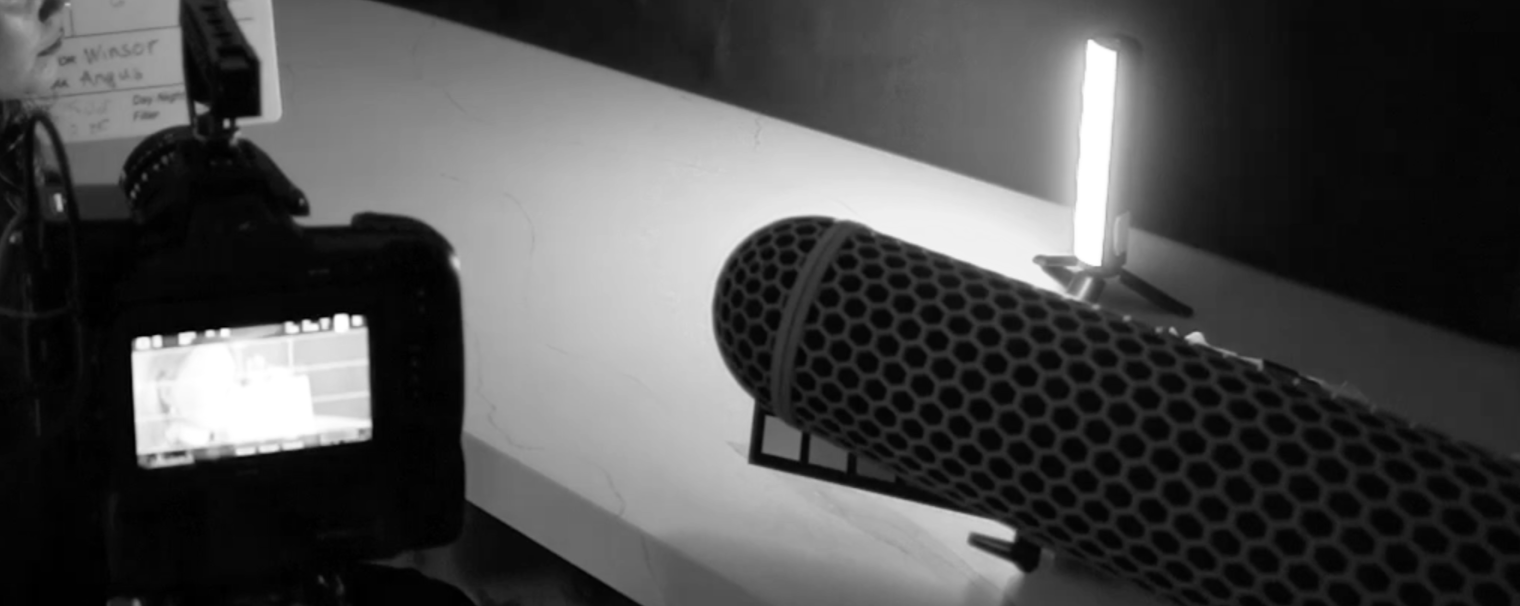
Documentary filmmaking depends on authenticity.
Real people, real environments and real situations are what give documentary films their character. But capturing those elements successfully requires more than a good camera.
Sound matters enormously.
A viewer might forgive an imperfect image. Poor or distracting audio is much harder to ignore.
What is location sound?
Location sound is the audio recorded during filming.
For documentary production, this can include interviews, conversations, environmental ambience, machinery, footsteps, wildlife, weather, vehicles and other sounds that naturally exist within the story.
These sounds help establish where the audience is and what is happening around the subjects.
Why environmental sound is important?
Imagine a documentary about conservation.
The image might show a remote Australian landscape, but without the sound of wind, birds, insects, water or human activity, the audience can feel strangely disconnected from the environment.
Authentic environmental recordings provide context.
The same applies to agriculture, mining, tourism, outdoor adventure and sport.
A working farm sounds different from a city office. A gym sounds different from a forest. A sporting ground sounds different from a quiet interview room.
These sounds become part of the identity of the film.
Interviews need clean, intelligible sound
Documentary interviews are particularly dependent on good audio.
The audience needs to understand the speaker without being distracted by traffic, wind, reverberation, air conditioning or background conversations.
Microphone selection and placement therefore matter.
Depending on the situation, production sound may involve lavalier microphones, boom microphones, directional microphones, field recorders or a combination of techniques.
Don't remove everything
Interestingly, professional sound isn't necessarily about making a recording completely silent.
Natural ambience can make an interview feel connected to its environment.
The sound of a workshop operating behind a subject, distant traffic outside a city office or wind moving through vegetation can contribute to the realism of the scene.
The objective is controlled, intelligible sound, not artificial silence.
Record the details
Good documentary sound also means paying attention to small sounds.
Footsteps.
Doors opening.
Tools being used.
Water moving.
Birds calling.
Machinery starting.
People working.
These details can later be used in the edit and sound design to create transitions and atmosphere.
Sound creates immersion
For environmental and outdoor documentaries in particular, sound can help transport an audience into places they may never visit themselves.
Combined with considered cinematography, strong location recordings can make a film feel immediate and tangible.
That is why sound should be considered during documentary pre production rather than treated as something to fix afterwards.
A documentary tells us what happened. Good location sound can help us feel as though we were there.
Planning a corporate video, documentary or brand film?
If your an organisation with a story to tell, let's talk about what you're trying to achieve.